Many French ski resorts were built with one aim: to put as many holidaymakers as possible as close to the piste as possible. Practical, but the result is often a collection of large concrete apartment blocks.
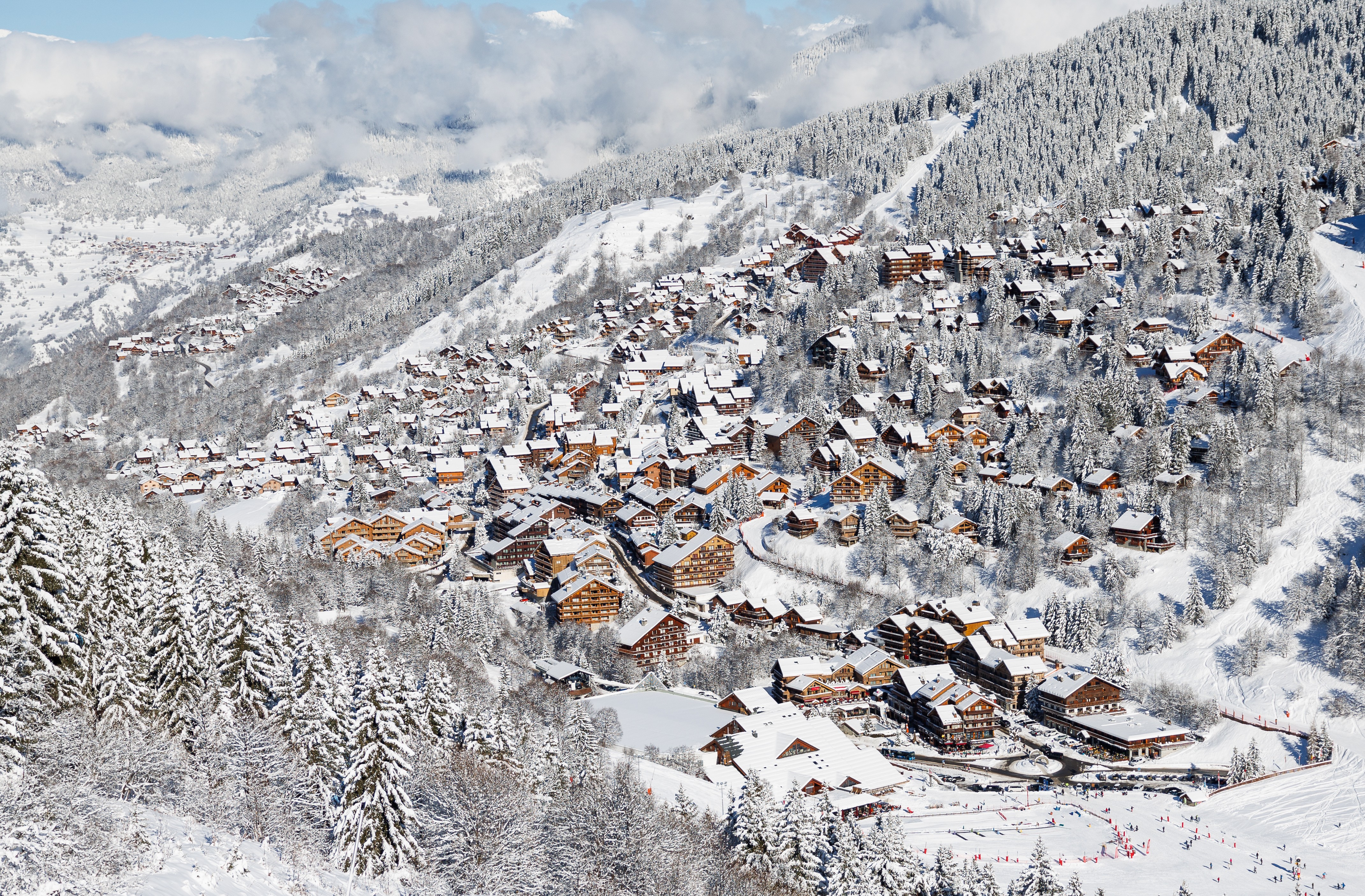
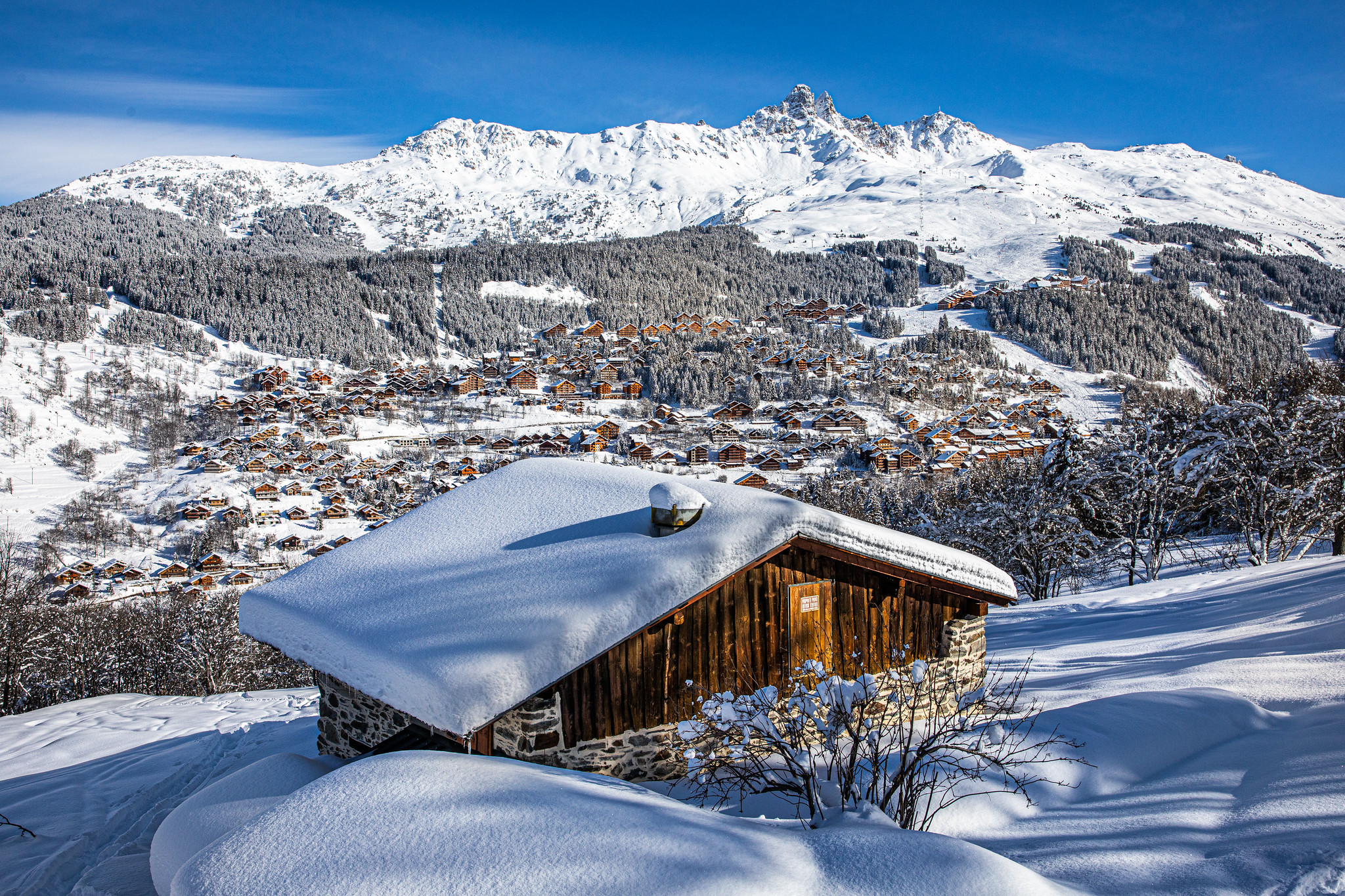
Méribel could just as easily have looked like that. Méribel Centre, too, is not an ancient village, but a ski resort developed specially for tourists. That it nevertheless consists mainly of charming chalets today is thanks to strict building rules.
The Méribel style
As early as 1936 it was decided that new buildings had to blend into the landscape and use traditional materials. After the Second World War, the Scotsman Peter Lindsay and the architect Christian Durupt developed that vision further.
New buildings had to be constructed from wood and natural stone, were given pitched slate roofs and were not allowed to be too tall. These rules were set down in an architectural specification that every new project had to meet.
As a result, Méribel escaped the concrete high-rises that appeared in many other French ski resorts from the 1960s onwards. The chalet style is therefore not centuries old, but carefully designed.
Not every part of the valley is equally charming. Méribel-Mottaret was built later and more densely. It is more practical and more snow-sure, but architecturally I find it less beautiful than Méribel Centre, Méribel Village or Les Allues.
Even so, the original vision held firm. As a result, you stay in the heart of the largest ski area in the world without looking out onto a wall of concrete. The charm of Méribel is no accident, but the result of almost ninety years of strict building rules.
Plan my trip